
Explore theories on how the Dinosaurs went extinct
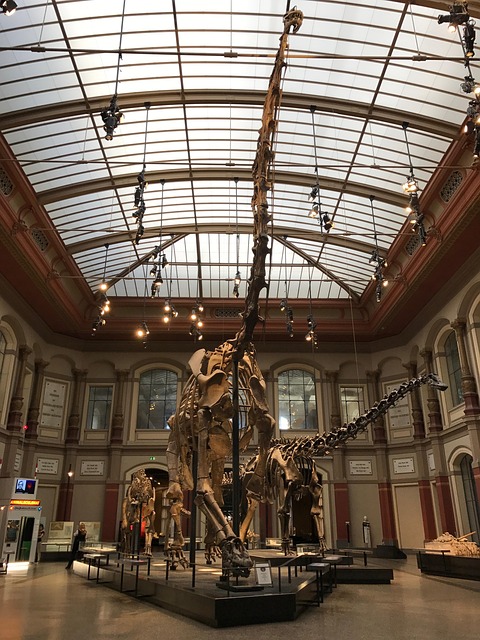
The disappearance of the dinosaurs remains one of Earth’s most captivating mysteries, marking a dramatic turning point in our planet's history. While the sudden collapse of these ancient giants occurred roughly 66 million years ago, scientists have spent decades piecing together the clues left behind in the fossil record and geological layers. This list explores the leading scientific theories—ranging from cataclysmic cosmic impacts to slow-burning environmental shifts—that attempt to explain how some of the most successful creatures to ever walk the Earth met their end.
7 theories on how these titans died
The debate over how the dinosaurs vanished has shifted significantly over the years as new evidence surfaces from the Earth’s crust. Scientists once looked for slow, internal causes, but the focus eventually moved toward massive, external catastrophes that could reshape the entire planet's atmosphere. Researchers today piece together a timeline of environmental stress, looking at how the world’s chemistry and temperature were already fluctuating before a final, sudden disaster occurred. By studying ancient rock layers and fossil records, experts aim to understand whether the dinosaurs were thriving or already struggling when their era came to a violent and permanent end.
- Asteroid Impact (The Alvarez Hypothesis)
- A 6 mile wide asteroid struck the Yucatán Penisula,creating the Chicxulub crater. The impact triggered tsunamis, firestorms and an "impact winter". This caused dust and soot to block the sun, stoping photosynthesis and collapsing the food chain.
- Volcanic Fury (The Deccan Traps)
- Massive long term eruptions in what is now India released enormous amounts of carbon dioxide and sulfur. This could've caused severe global warming. Or it could've caused acid rains to pour, acidifying the oceans, stressing the ecosystems before or after the asteroid's arrival.
- Nearby Supernova
- Early theories suggested a star exploding a few light-years away could have bathed Earth in lethal radiation. While this would explain high iridium levels found in rocks. Most scientists now find it unlikely because it would have killed almost all life, not just specific groups like non-avian dinosaurs.
- Sea Level Fluctuations
- Evidence shows a significant drop in ocean levels toward the end of the Cretaceous period. This would have dried up shallow inland seas. While at the same time destroying habitats for marine reptiles and drastically altering the climate and land-based biomes.
- Epidemic Disease
- Some paleontologists proposed that as land bridges formed between continents, dinosaurs were exposed to new parasites and diseases like malaria. While pathogens likely existed, many argue they couldn't have caused such a rapid, global mass extinction on their own.
- Mammalian Competition
- This theory suggests that newly evolving mammals outcompeted dinosaurs for resources or specialized in eating dinosaur eggs. However, critics note that mammals remained relatively small until after the dinosaurs were gone. This makes them unlikely candidates for the primary cause.
- Evolutionary "Self-Desruction"
- Older, now-discredited ideas suggested dinosaurs went extinct due to biological failures, such as growing too large for their small brains to manage. Or maby developing eggshells that were too thin or too thick to hatch. Modern science generally rejects these as they don't account for why so many other species died at the same time.