
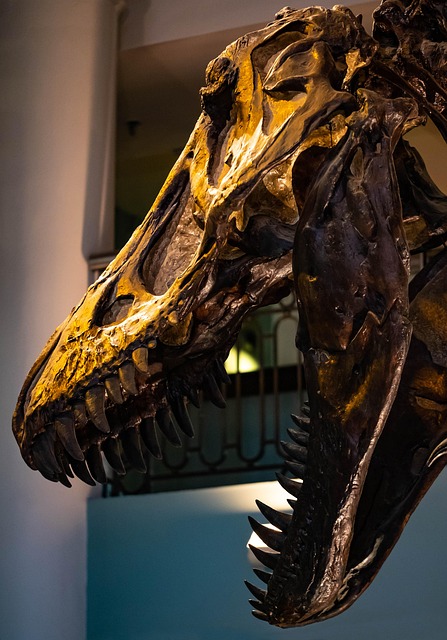
The Skull
The dinosaur skull was a marvel of engineering, featuring specialized openings that reduced total weight while maintaining structural integrity. These gaps also provided ample room for the powerful muscle attachments necessary for a crushing bite or complex plant processing.
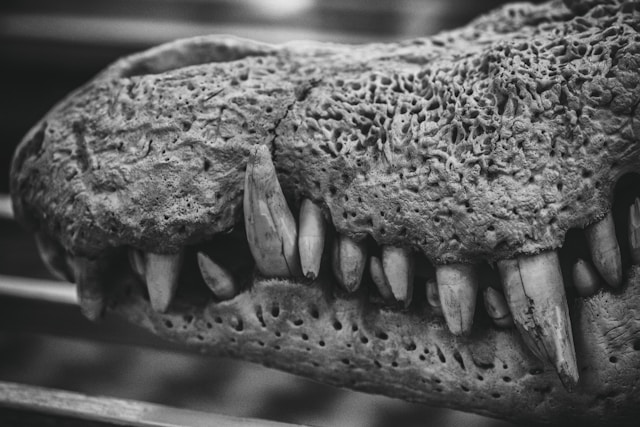
Dentition
Dinosaur teeth were highly specialized tools that evolved to match specific diets, ranging from the serrated daggers of predators to the dense grinding batteries of herbivores. Unlike humans, most dinosaurs replaced their teeth throughout their lives, ensuring they always had a functional set for survival.
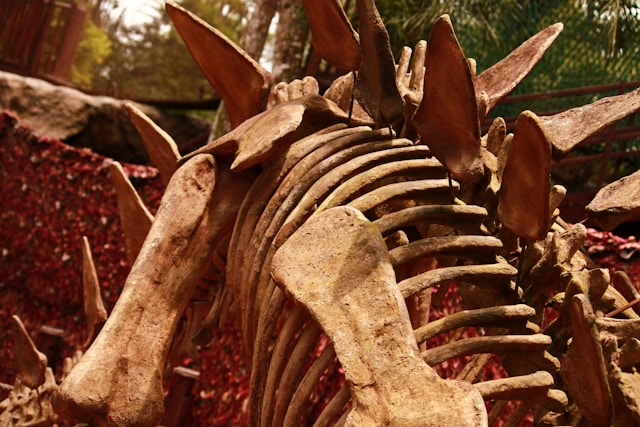
Hip Structure
Paleontologists use the orientation of the pelvic bones to divide all dinosaurs into two fundamental groups based on their hip architecture. This skeletal arrangement determined how the legs attached to the body, influencing everything from walking gait to overall size potential.
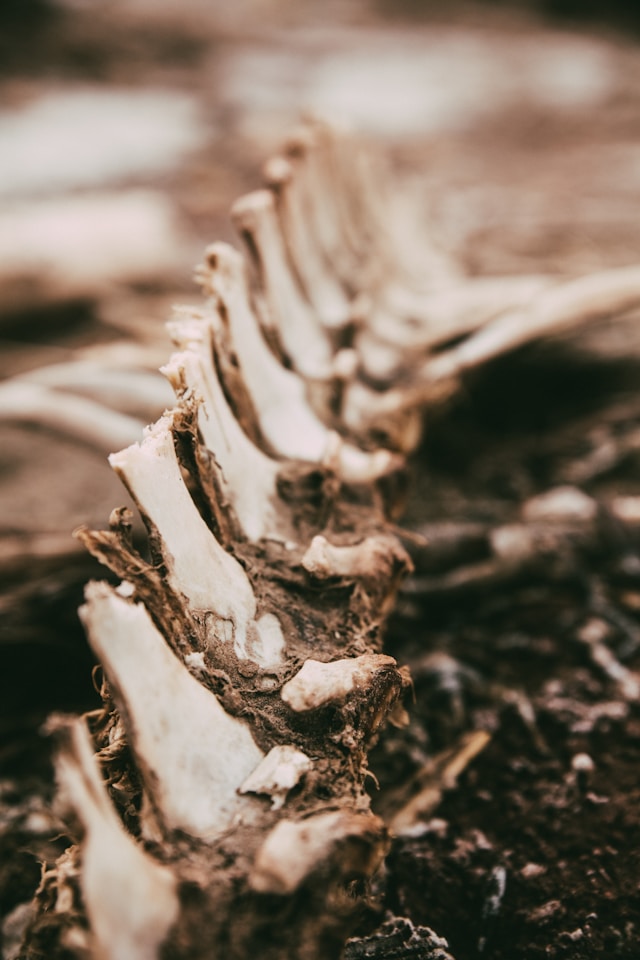
Vertebral Column
The vertebral column served as a sophisticated weight-bearing bridge that connected the massive weight of the body to the limbs. Many species evolved hollowed-out sections within their vertebrae to lighten the skeleton, a trait that modern birds still utilize for flight.
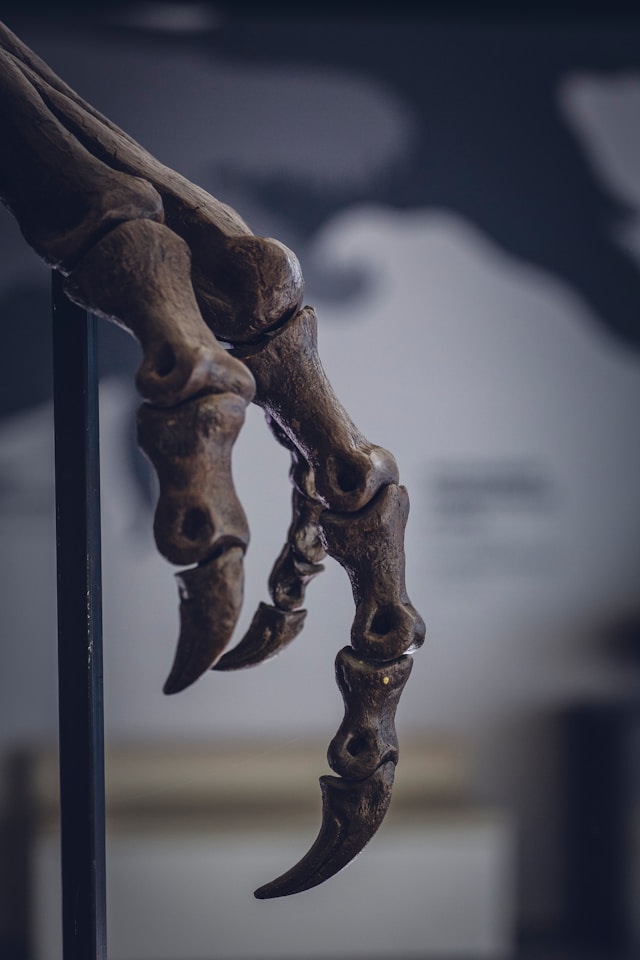
Limbs and Posture
By tucking their legs directly underneath their bodies, dinosaurs achieved an efficient, upright posture that set them apart from sprawling reptiles. This mechanical advantage allowed them to support immense weight and move with much greater speed and agility across the landscape.
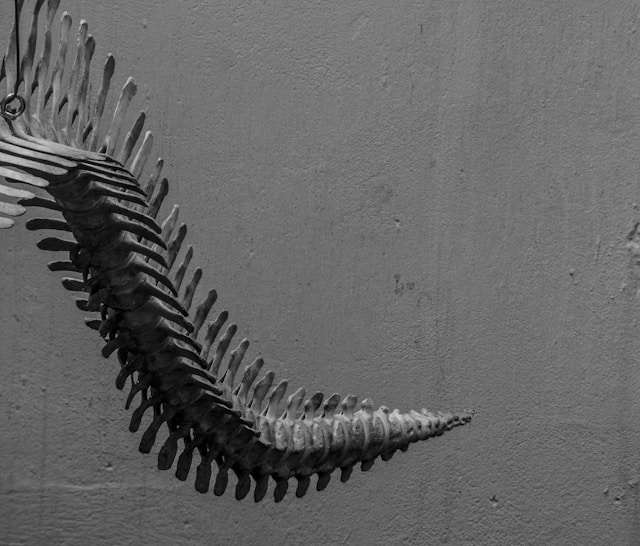
The Tail
The tail functioned as a vital counterbalance, allowing bipedal dinosaurs to remain stable while running or turning at high speeds. In many species, the tail was also used as a defensive weapon or a rigid support for the heavy front half of the animal.